• Welcome to your new Gnomio site

    Now, you are in control!

    Moodle is an open-source Learning Management System (LMS) that provides educators with the tools and features to create and manage online courses. It allows educators to organize course materials, create quizzes and assignments, host discussion forums, and track student progress. Moodle is highly flexible and can be customized to meet the specific needs of different institutions and learning environments.

    Moodle supports both synchronous and asynchronous learning environments, enabling educators to host live webinars, video conferences, and chat sessions, as well as providing a variety of tools that support self-paced learning, including videos, interactive quizzes, and discussion forums. The platform also integrates with other tools and systems, such as Google Apps and plagiarism detection software, to provide a seamless learning experience.

    Moodle is widely used in educational institutions, including universities, K-12 schools, and corporate training programs. It is well-suited to online and blended learning environments and distance education programs. Additionally, Moodle's accessibility features make it a popular choice for learners with disabilities, ensuring that courses are inclusive and accessible to all learners.

    The Moodle community is an active group of users, developers, and educators who contribute to the platform's development and improvement. The community provides support, resources, and documentation for users, as well as a forum for sharing ideas and best practices. Moodle releases regular updates and improvements, ensuring that the platform remains up-to-date with the latest technologies and best practices.
    Links of interest:

    (You can edit or remove this text)

Available courses

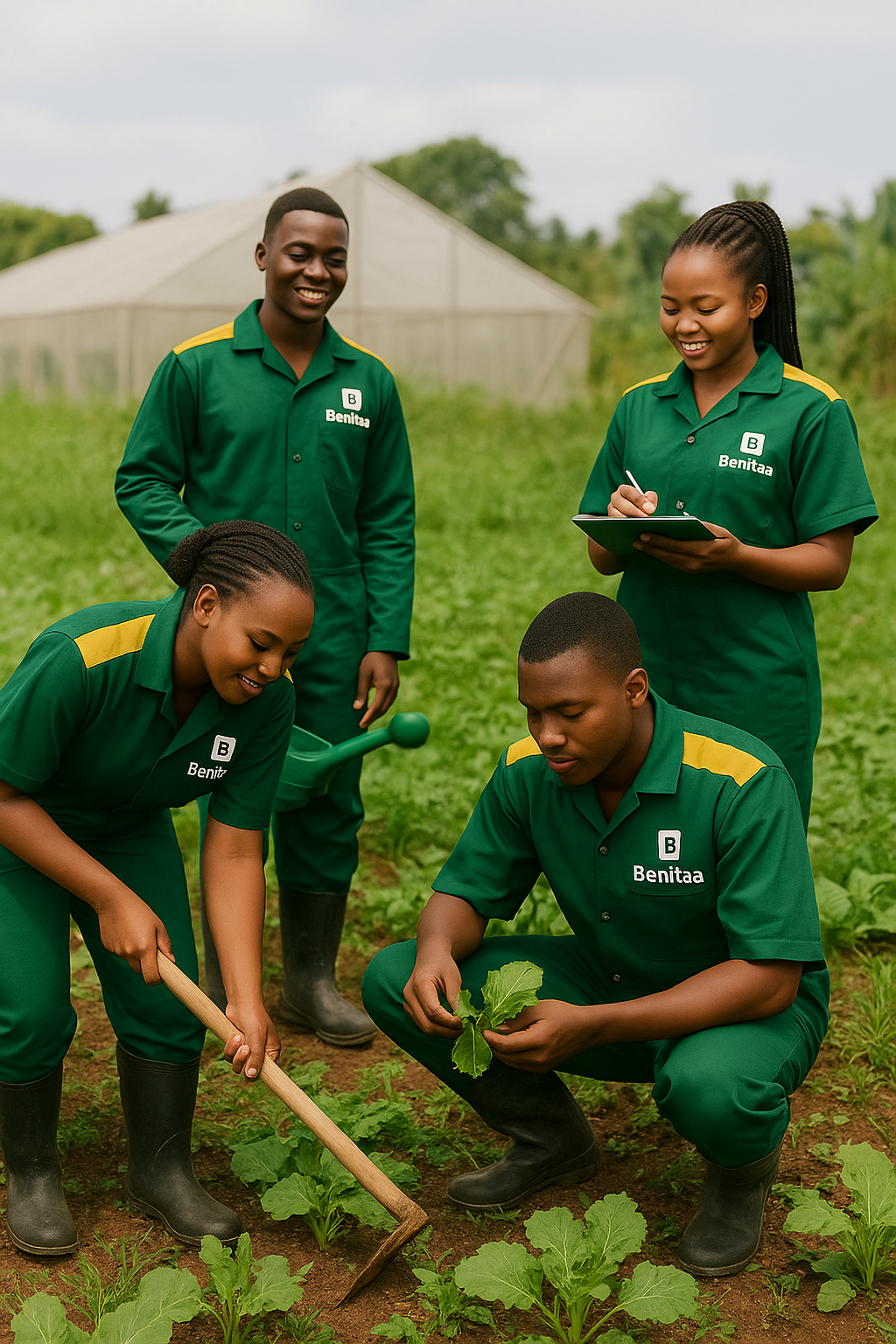
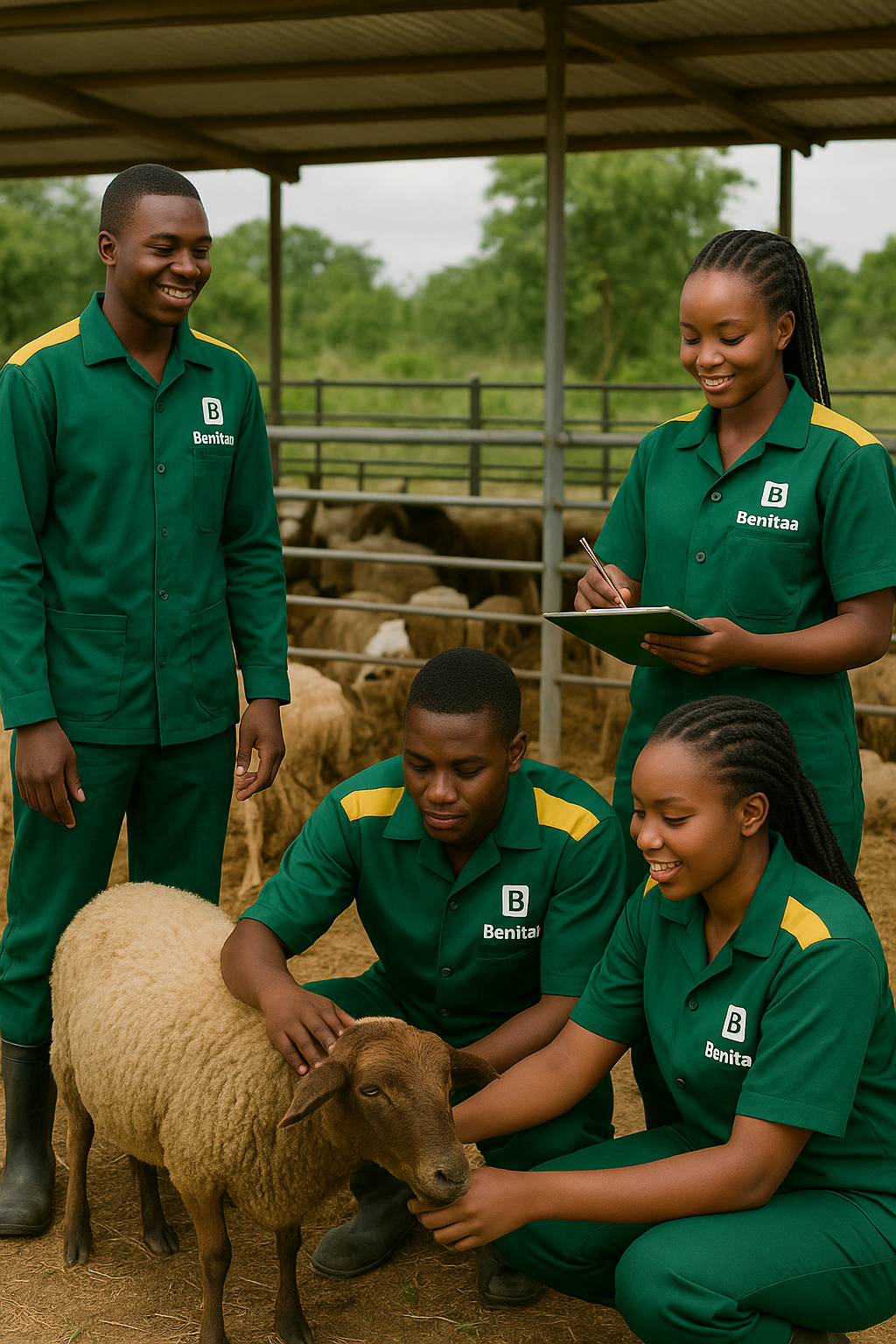
Livestock Production is a course that focuses on the management, breeding, feeding, and health care of farm animals such as cattle, sheep, goats, pigs, and poultry.

Students learn about animal nutrition, housing, disease prevention, reproduction, and sustainable livestock farming practices. The course also covers modern technologies and agribusiness skills related to animal production and marketing.

It prepares learners to work in livestock farms, veterinary services, feed companies, or to start and manage their own livestock enterprises efficiently and profitably.

Agribusiness is the study and practice of applying economic, management, and marketing concepts to the agricultural sector. It covers the entire value chain — from farm production (crops and livestock) to processing, packaging, distribution, and retailing of food and other agricultural products.

Students learn how to manage farms, agribusiness firms, cooperatives, and agro-industries efficiently and sustainably.

Programming and Web Design is a course that teaches students how to create, design, and manage websites and web applications. It covers programming languages such as HTML, CSS, JavaScript, and sometimes Python or PHP. Students learn both the technical and creative aspects of building functional and visually appealing websites, including layout design, coding, and user experience. The course prepares learners for careers in web development, software engineering, and digital design, enabling them to build modern, responsive, and user-friendly web solutions.

Software Application is a course that teaches students how to use and manage various computer programs to perform tasks efficiently in business, education, and daily life. The course covers word processing, spreadsheets, databases, presentations, and internet applications. Students gain practical skills in using common software tools for data management, report writing, and communication. It prepares learners to work effectively in digital environments and supports careers in administration, IT, and other technology-related fields.

Mechanical Engineering is a technical course that focuses on the design, development, installation, operation, and maintenance of machines and mechanical systems.

The course equips learners with theoretical and practical skills in mechanics, thermodynamics, materials science, manufacturing processes, and machine design. Students learn how to analyze and solve engineering problems related to motion, energy, and force, as well as operate and maintain industrial machinery and equipment.

Career opportunities:
Graduates can work as mechanical technicians, plant operators, maintenance engineers, production supervisors, automotive engineers, or machine designers in industries such as manufacturing, transport, energy, and construction

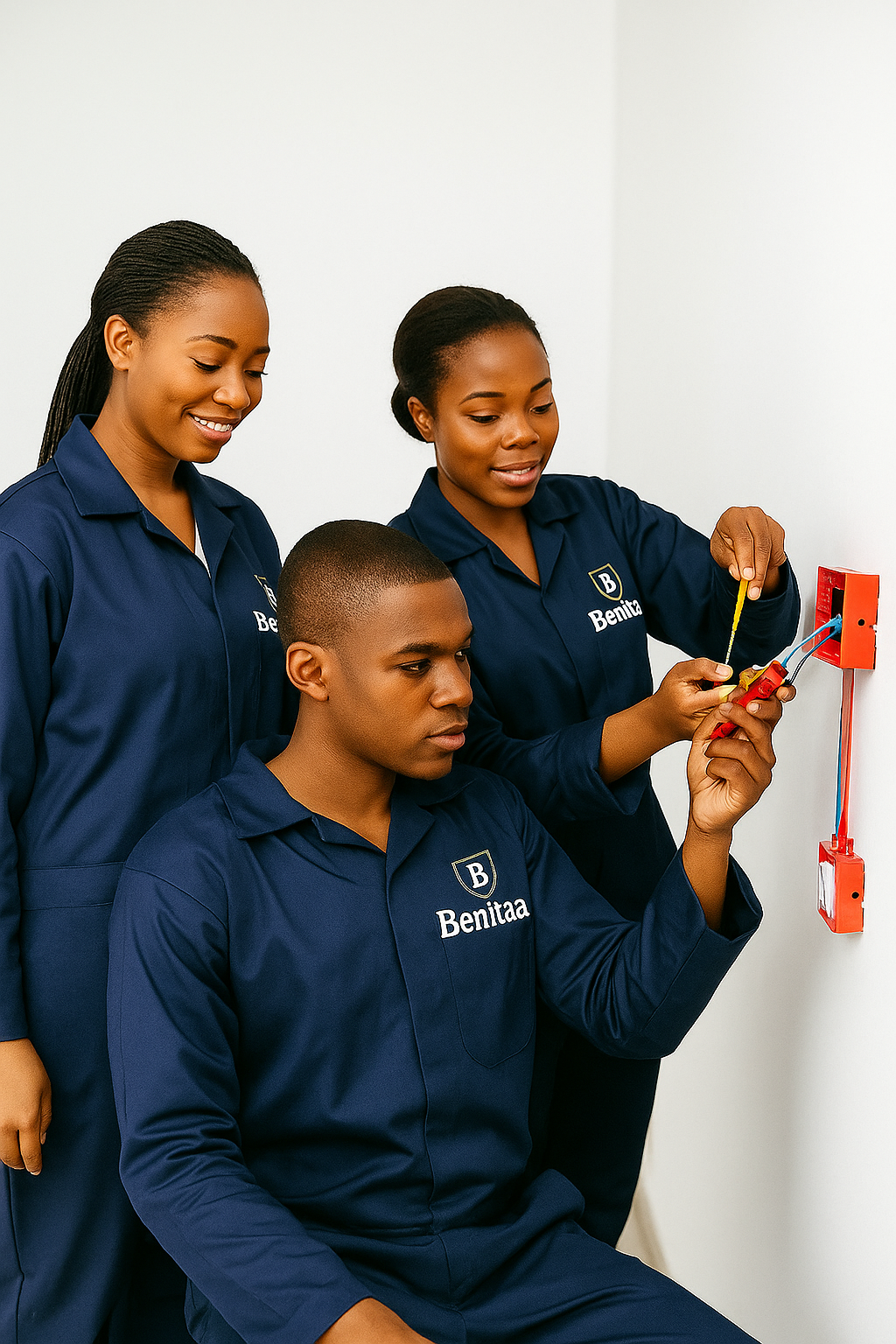
Electrical Engineering is a technical course that focuses on the study and application of electricity, electronics, and electromagnetism in designing, developing, and maintaining electrical systems and equipment.

The course equips learners with skills to install, test, maintain, and repair electrical machines, wiring systems, power distribution networks, and control systems used in industries, buildings, and infrastructure.

Students learn both theoretical and practical aspects of power generation, transmission, and distribution, as well as electrical safety, renewable energy technologies, and modern automation systems.

This course equips trainees with competencies required to apply human anatomy and physiology in community health work. It involves classifying human body systems, determining common disorders of human body system and applying human anatomy in primary healthcare.

This course describes competencies required to conduct dietetic operations. It involves assessing client’s mode of feeding, carrying out diet modification, administration of enteral nutrition, parenteral nutrition and prescription of nutrient supplement, functional foods and nutraceuticals, managing drug-nutrient interactions. It also involves managing nutrition in burns. 

This course specifies the competencies required to provide maternal, infant and young child nutrition. It involves providing nutrition in pregnancy, providing nutrition in lactation, providing infant nutrition and providing young child nutrition.

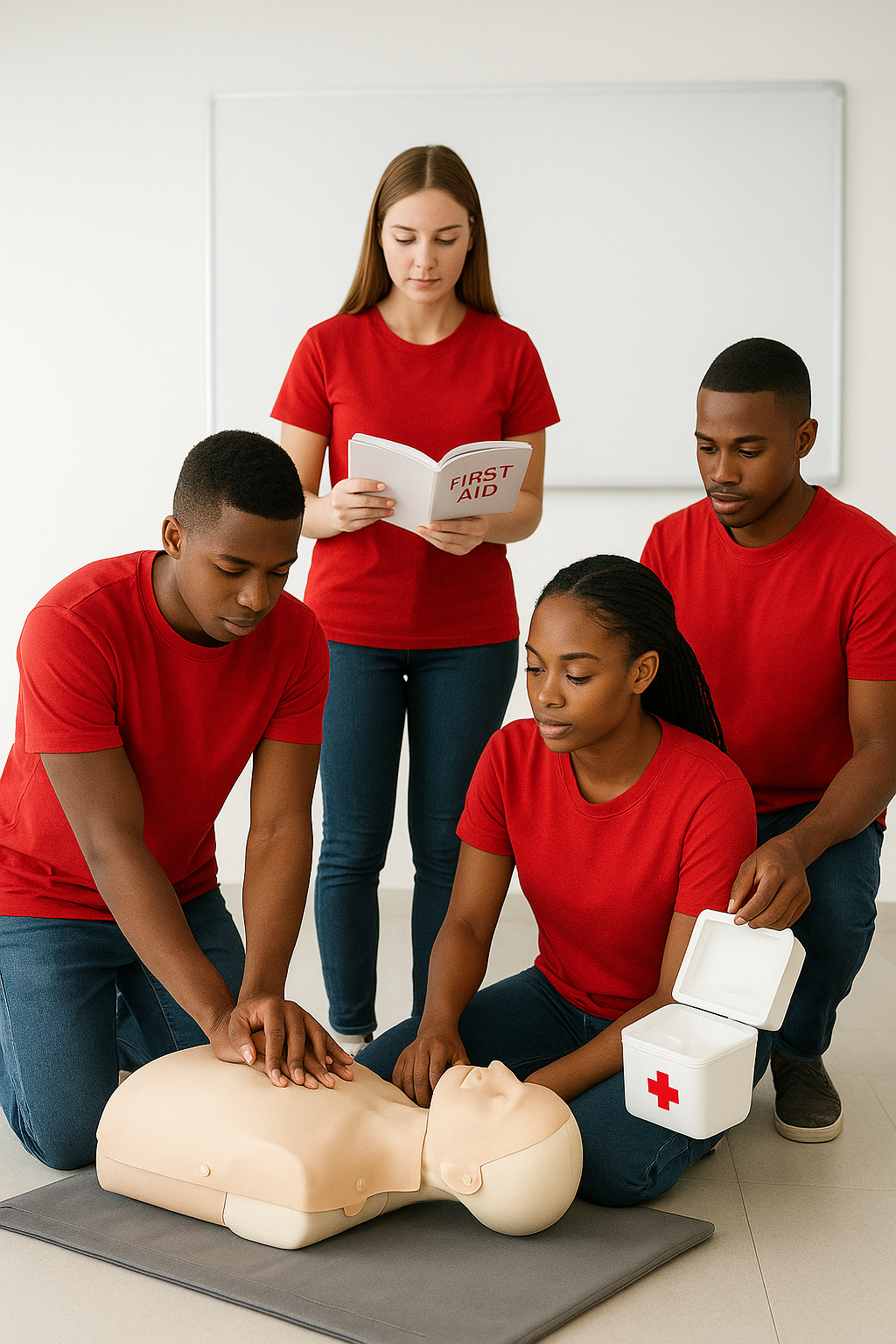
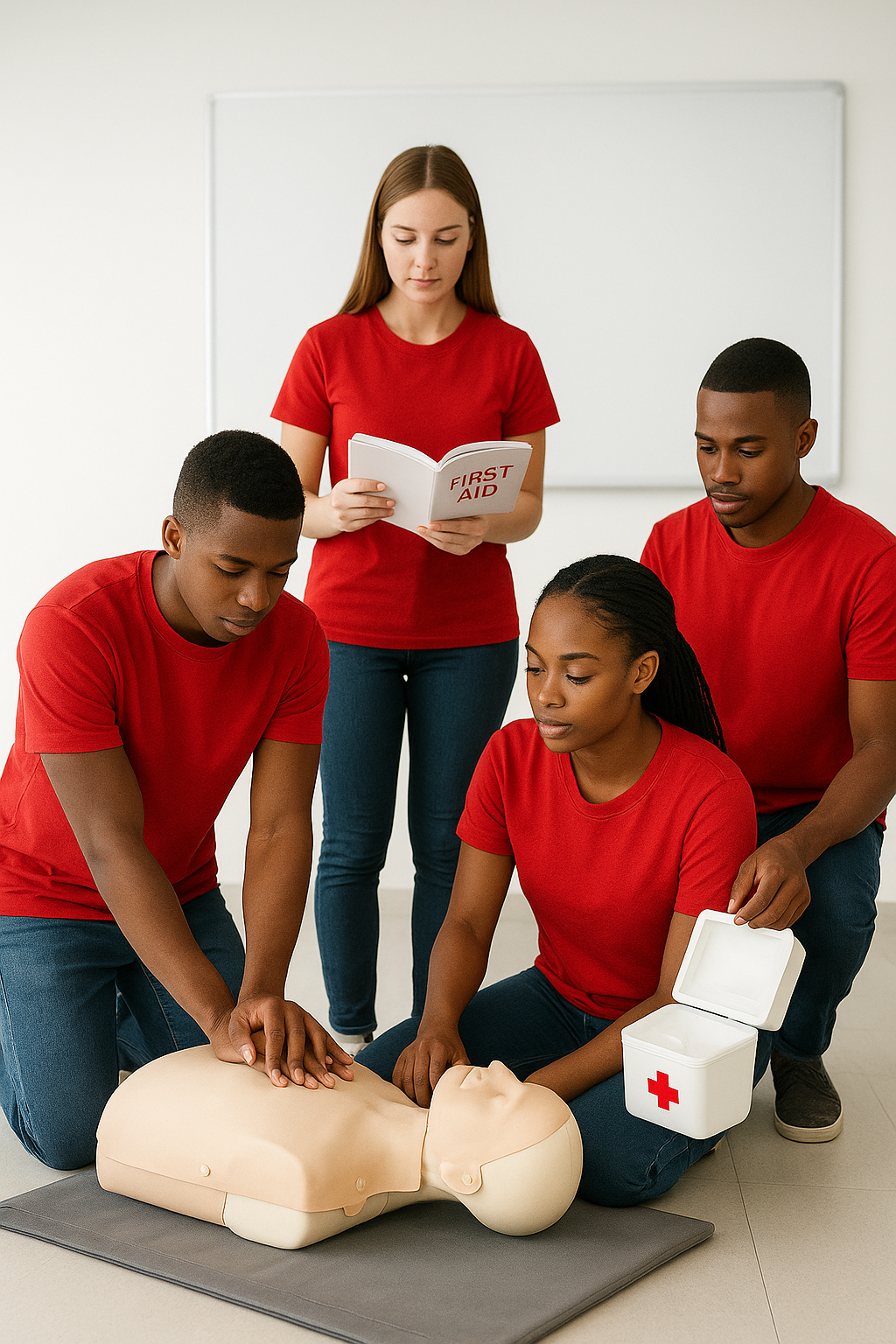
Preventive Services and First Aid is a course that equips students with the knowledge and skills to prevent illnesses and injuries, and to provide immediate care in emergencies. It emphasizes health promotion, disease prevention, workplace and community safety, and basic life-saving techniques. Students learn how to recognize risks, apply first aid procedures, and respond effectively to medical emergencies before professional help arrives. Graduates can work in schools, hospitals, workplaces, and community programs as safety officers, first aid trainers, or health promotion practitioners.


Site announcements

There are no discussion topics yet in this forum.